
Inherited a House You Don’t Want to Keep?
Deciding to sell inherited house property can become complicated when ownership, probate, repairs, taxes, tenants or multiple heirs are involved.
Imperial Property Services can review the property and help identify practical sale options.
Led by Subodh Banerjee, California Licensed Real Estate Broker, CalDRE #01804026.
Inherited Property Review
Common Inherited Property Situations
Property Needs Repairs
Dated interiors, deferred maintenance or damage that the estate does not want to fund before selling.
Multiple Heirs
Several family members share ownership and need to agree on what happens next.
Out-of-State Owners
The heirs live far away and cannot easily visit, manage or prepare the property.
Probate Pending
A probate case is open or has not started yet, and authority to sell is still being confirmed.
Tenant Occupied
Tenants live in the property under a lease or month-to-month arrangement.
Unpaid Taxes
Property taxes have fallen behind since the owner passed away.
Existing Mortgage
A loan remains on the property and needs to be paid off at sale.
Personal Belongings
Furniture, records and personal items are still in the house.
Title Questions
Deed, lien or ownership questions need to be clarified before closing.
How to Sell an Inherited House in 4 Steps
- 01
Property Review
We look at the address, condition, occupancy and any known debts to understand the property itself.
- 02
Ownership / Authority Review
We confirm who holds title and who has authority to sign, whether through a will, trust, probate or all heirs together.
- 03
Sale Option Review
We explain the available paths, such as a direct as-is purchase or a traditional listing, with the trade-offs in writing.
- 04
Professional Closing
If the estate chooses to proceed, closing is handled through a licensed title or escrow company.
Can You Sell a House During Probate?
Often, yes. In many states a court-appointed executor or administrator can sell estate property while probate is open, sometimes with court approval or notice to heirs. In other cases the property can be sold without probate, for example when it was held in a living trust or passed directly to a surviving joint owner.
The right path depends on the state, how title was held and the estate’s paperwork. We review those details alongside the property and coordinate with the estate’s attorney where one is involved.
Disclosure: Imperial Property Services is not a law firm. Probate requirements vary by state and individual estate.
What If Several People Inherited the Property?
When a house passes to more than one person, each owner usually needs to agree to the sale and sign the closing documents. A clear sequence keeps everyone informed.
- Stage 01Identify Ownersarrow_forward
- Stage 02Confirm Authorityarrow_forward
- Stage 03Review Agreement to Sellarrow_forward
- Stage 04Coordinate Documentsarrow_forward
- Stage 05Close
If heirs disagree about ownership or disposition, independent legal advice may be necessary.
Inherited Property in Another State?
Many heirs live hundreds or thousands of miles from the property they inherited. Travelling to meet contractors, clear the house or attend a closing can be costly and difficult to arrange.
Where the title company and state rules allow, much of a sale can be handled remotely: documents are delivered electronically or by courier, signatures are notarized locally or through an approved remote process, and funds are sent by wire or check after closing.
- Property ReviewCondition and records reviewed without you on site
- Title CommunicationTitle company confirms ownership and requirements
- Document DeliveryClosing documents sent electronically or by courier
- SignatureSigned with a local or approved remote notary
- ClosingTitle or escrow records the transfer
- FundsProceeds disbursed by wire or check
Should You Keep, Rent or Sell an Inherited House?
There is no single right answer. Heirs usually weigh the same handful of questions: what the house is worth, what it costs to hold, and whether everyone agrees.

Keep it
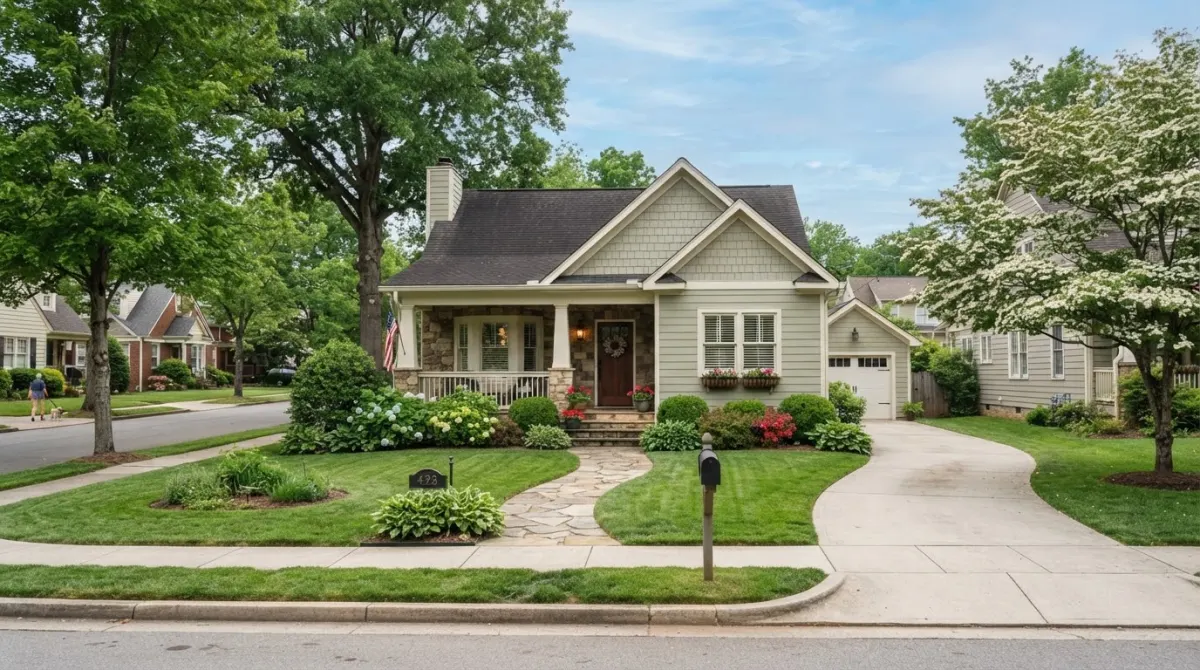
Keeping the house can make sense if someone will live in it and can cover the mortgage, taxes, insurance and repairs going forward.
Rent it out
Renting brings income but also landlord duties, tenant laws and repair calls, which is harder when heirs live far away or share ownership.
Sell and split the proceeds
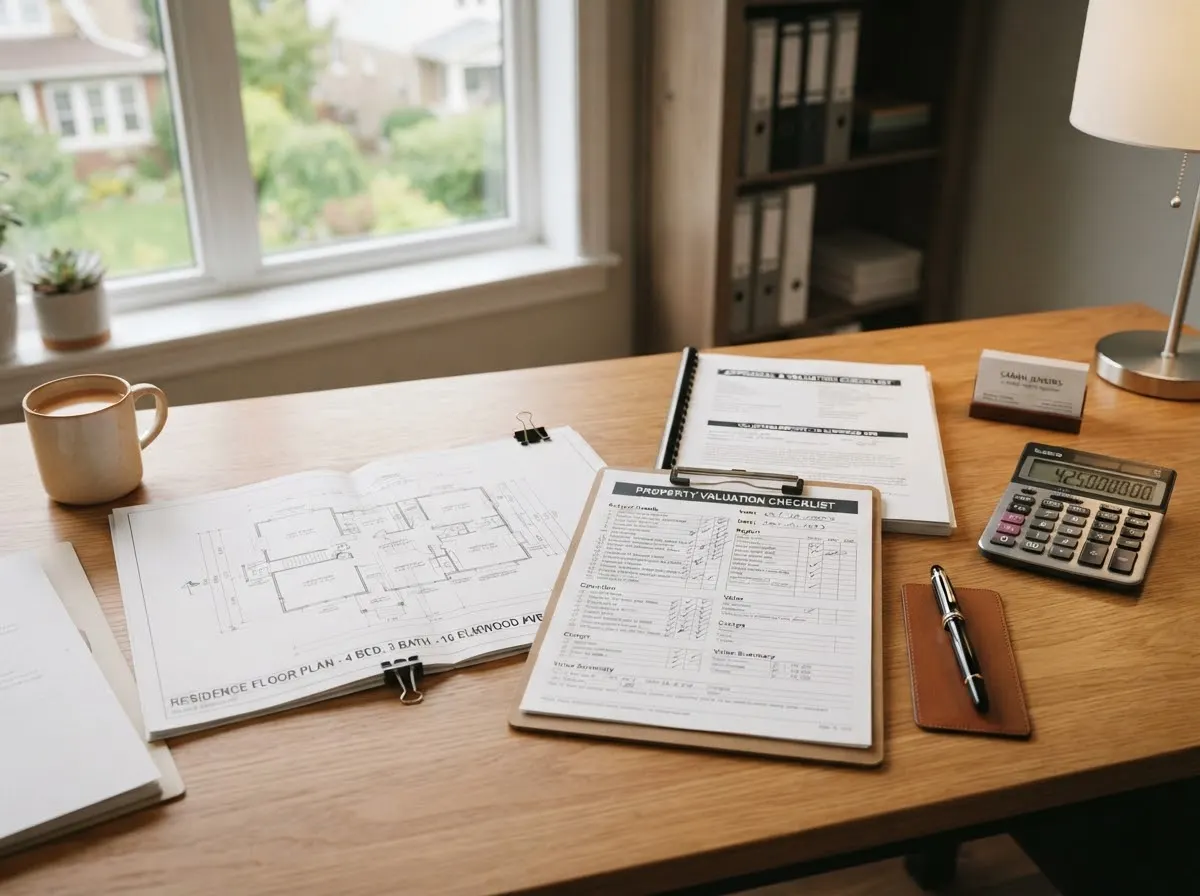
Selling turns the house into cash that can be divided by the estate plan. A valuation helps heirs agree on a fair price.
Sort out authority first
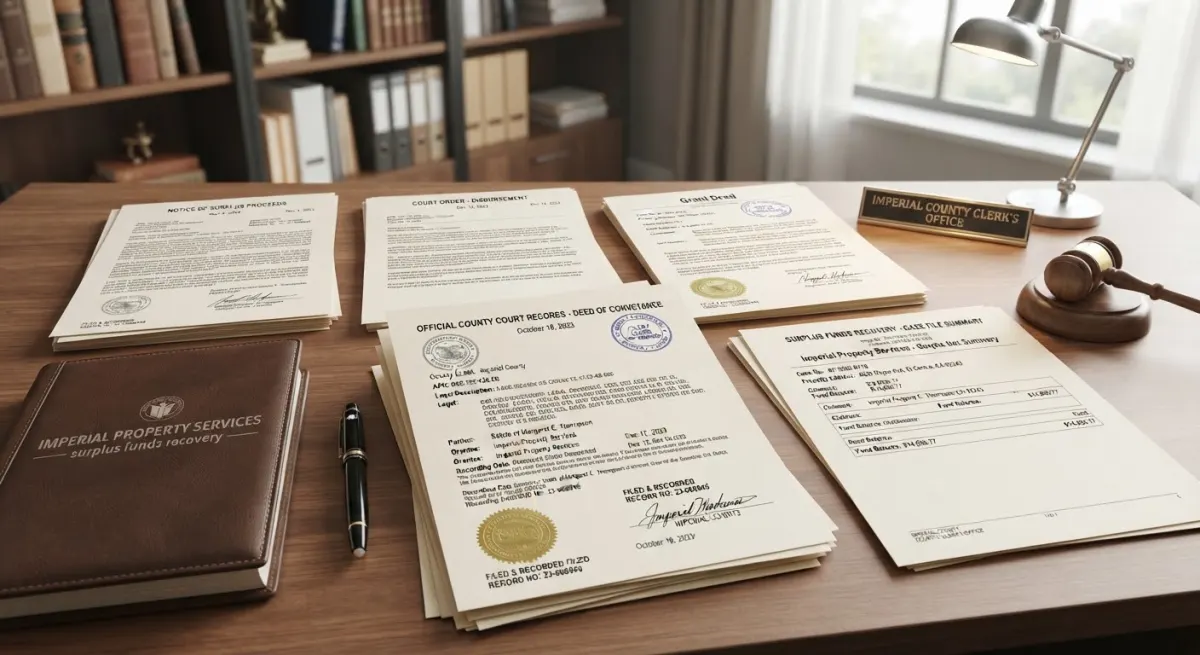
Whatever you choose, confirm who can sign. That may be the executor, the trustee, or every heir on title together.
Taxes when you sell an inherited house
Inherited property usually gets a stepped-up tax basis, meaning the basis is generally the fair market value on the date of death. If you sell soon after inheriting, there may be little or no taxable gain. The IRS covers basis rules in Publication 551, Basis of Assets.
A date-of-death appraisal is worth getting early. It supports the basis figure and gives heirs a neutral number to start from. Ask a tax professional how the rules apply to your estate.
Selling inherited property with multiple owners
When several heirs own the house, all of them generally need to sign unless one person has authority to sign for the estate. Disagreements can end up in a partition action, which is slow and costly, so agree on the plan in writing early.
If the house needs major repairs, see selling a distressed property as-is. If tenants live there, read how to sell a house with tenants. If the inherited property is vacant land, see how to sell land fast.
Direct Sale or Traditional Listing?
If the inherited property is in good condition and the estate has time to prepare and market it, a traditional listing may potentially achieve a higher sale price.
Frequently Asked Questions
Can I sell an inherited house before the estate is settled?
Do I need to finish probate before selling?
What if there are several heirs?
Can I sell the property as-is?
Do I need to clean everything out?
What if the property has a mortgage?
What if I live in another state?
What if tenants occupy the property?
Will a direct offer equal retail value?
Does Imperial provide probate legal advice?
Not Sure What to Do With the Property?
Share the address and the basic estate details. We will review the property and explain the options, with no obligation.